
The House Edge Explained
The concept of the house edge is fundamental in understanding why casinos are profitable businesses. The house edge refers to the mathematical advantage that the casino has over players in any game they offer. This edge varies from game to game; for example, in slot machines, the house edge could be as high as 15% to 25%, while blackjack might have a house edge as low as 1% when played optimally. For those interested in maximizing their experiences, exploring the top 10 online casino australia real money options can provide valuable insights. This difference is crucial for players to recognize if they wish to improve their chances of winning. By understanding the specific house edge for each game, players can make more informed decisions about where to place their bets.
In practical terms, this means that for every $100 bet, a player can expect to lose a certain percentage over time, depending on the game. This doesn’t mean that every player will lose money on every session; rather, it’s a long-term expectation that balances out as more bets are placed. For instance, in a game with a 5% house edge, the expectation is that a player will lose $5 for every $100 wagered in the long run. Thus, while it is possible to win in the short term, the odds are not in favor of the player in the long run, which is vital for managing expectations.
Understanding the house edge is essential not just for strategic gameplay but also for maintaining a realistic perspective on gambling. While it’s tempting to think one can outsmart the system, it’s vital to remember that casinos are designed to ensure they come out ahead. Players who acknowledge this reality can set appropriate expectations and manage their bankrolls more effectively. This understanding can lead to a more enjoyable experience, as players will be less likely to chase losses or make impulsive betting decisions.
Strategies to Minimize Losses
Although you cannot completely eliminate the house edge, there are strategies players can utilize to minimize losses and enhance their overall experience. One effective strategy is to set a budget and stick to it. This involves determining how much money you can afford to lose before you even step into a casino. By adhering to this budget, players can prevent themselves from making impulsive decisions driven by adrenaline or desperation. Moreover, having a clear limit helps players walk away when they’ve reached their threshold, which is crucial for responsible gambling.
Another beneficial strategy is to choose games with a lower house edge. Players often gravitate towards popular games like slots, which might not offer the best odds. Instead, games like baccarat, blackjack, and certain poker variants often provide better opportunities for players. Additionally, learning optimal strategies in these games can dramatically shift the odds closer to a more favorable position. For example, knowing when to stand or hit in blackjack can significantly reduce the house edge, making this game one of the better options for strategic players.

Furthermore, players should consider taking advantage of promotions, bonuses, and loyalty programs offered by casinos. These can provide extra value and extend playtime, allowing players to make the most of their bankroll. Understanding the terms and conditions of these offers is essential, as they can sometimes make a significant difference in overall play. Games with skill elements, like poker, allow players to use their knowledge to outplay opponents rather than relying solely on chance, making it a sound choice for those willing to invest time in learning. This strategic approach can lead to a more rewarding gaming experience.
The Role of Luck in Gambling
Luck undeniably plays a significant role in any gambling scenario. While strategies and techniques can improve one’s chances, there is always an element of chance that can lead to unexpected outcomes. This randomness is part of what makes gambling thrilling; a single hand or a spin of the wheel can lead to a significant win or loss. Therefore, players should embrace the unpredictability and view each gaming session as a form of entertainment rather than a guaranteed way to make money. Accepting that luck plays a role can help players maintain a balanced mindset.
Winning streaks can happen, just as losing streaks can, and it’s essential to approach each outcome with a balanced mindset. Many seasoned gamblers attest to the reality of variance in games: good fortune can lead to substantial wins, but similar luck can vanish just as quickly. Thus, understanding that luck is capricious can help manage expectations and reduce the emotional rollercoaster often associated with gambling. Players who can detach their self-worth from their wins and losses often find greater enjoyment in the experience.
Ultimately, while luck is an unavoidable factor, players can mitigate its impact by implementing sound strategies, as mentioned previously. Successful players often attribute their wins not just to luck, but also to their ability to manage their gameplay, make informed choices, and keep their emotions in check. This balanced approach, where skill meets chance, can lead to a more enjoyable and potentially lucrative gambling experience. Recognizing that luck is just one component can help players stay grounded and focused on skill development.
The Psychological Aspect of Gambling
The psychological elements of gambling are vast and influence both players’ experiences and decisions at the casino. Understanding one’s motivations for playing can lead to more responsible gambling practices. Many individuals gamble for entertainment, while others may view it as a way to escape stress or personal issues. Recognizing these motivations is crucial in ensuring that gambling remains a positive and enjoyable activity. By being aware of why they are playing, gamblers can make more informed choices about their engagement with the games.
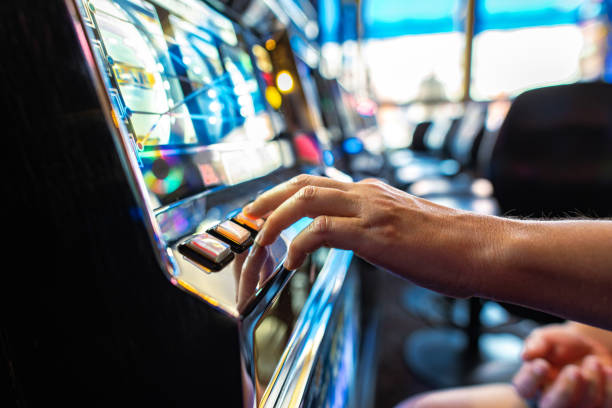
Moreover, the concept of « loss chasing » is a psychological trap many players fall into. When on a losing streak, individuals may feel the urge to bet more to recoup their losses, which can lead to even larger deficits. Being aware of this tendency and setting strict limits can help players maintain control over their gambling habits, preventing them from spiraling into a cycle of despair. Acknowledging the psychological aspects of gambling can empower players to make healthier choices and foster a more enjoyable gaming environment.
Lastly, the social aspect of gambling cannot be overlooked. Many people enjoy the camaraderie and excitement of gambling with friends. This social interaction can enhance the overall experience, making it less about winning or losing and more about spending quality time together. However, even this social enjoyment comes with its risks, as peer pressure can sometimes encourage poor decision-making. Recognizing one’s limits in these situations can help maintain a healthy balance between social enjoyment and responsible gaming, ensuring that gambling remains a fun and sociable activity.
Conclusion and Resources for Responsible Gambling
In conclusion, while it can seem possible to beat the house through strategies and luck, the reality is more nuanced. Understanding the house edge, utilizing effective strategies, and managing the psychological aspects of gambling can enhance a player’s experience. However, it’s essential to recognize that gambling should primarily be seen as a form of entertainment rather than a money-making venture. The odds are always in favor of the casino over time, which means players need to play responsibly and with a clear mindset.
If you’re considering hopping into the world of casinos, ensure that you have the right resources at your disposal. Many websites offer advice on responsible gambling, detailed game strategies, and financial management techniques tailored for players. Staying informed about casino practices can empower players to make better decisions and enjoy their time at the tables or machines. Resources that promote responsible gambling can significantly enhance the overall experience.
Ultimately, remember that gambling should be a fun and entertaining experience. Respect your limits, embrace the unpredictability, and approach each session with a clear understanding of the odds involved. By doing so, you can ensure that your time at the casino remains enjoyable and within your control, leading to a more positive and fulfilling gambling experience.